COLOR THEORY IN GLAZE:
1 DAY WORKSHOP
Adult 18+
(Teens are invited to register)
Dates + Times:
July 31
Fridays: 12:30–2:30 pm
Instructors:
Helen Mills (read bio)
Tuition per 4 week session:
$75 (includes materials + firings)
Delve deeper into the world of glaze. We will learn about glazes, oxides, underglazes, and slips. We will understand what these materials are and how they might interact so that we can start to truly design our surfaces with a more accurate idea of what they will look like once fired. No Prior experience needed.
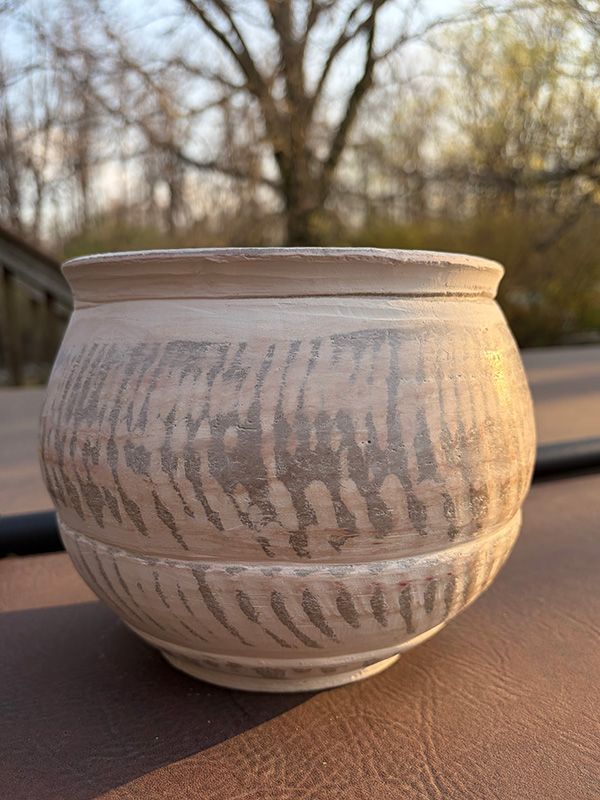
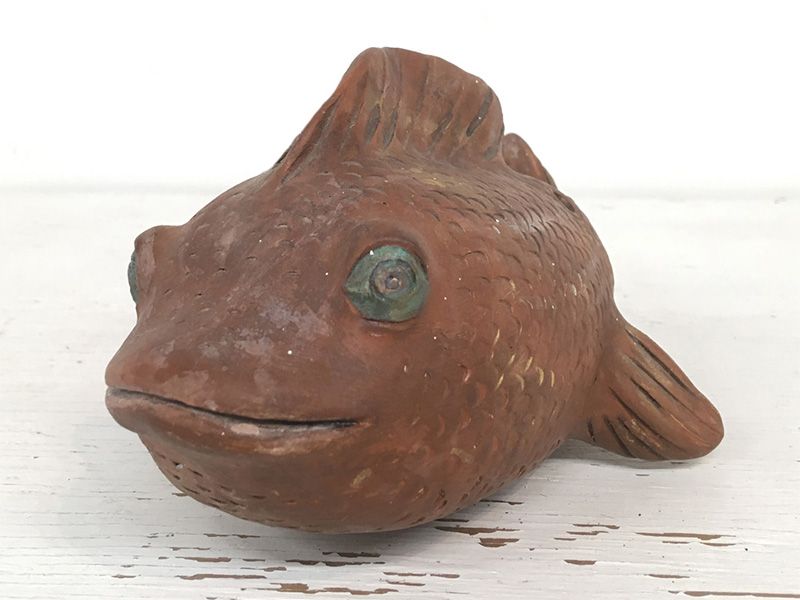
2 Day Handbuilding Workshop
August 8 + 9
10 am-12:30 pm
Registration Open
August 8 + 9
10 am-12:30 pm
Registration Open
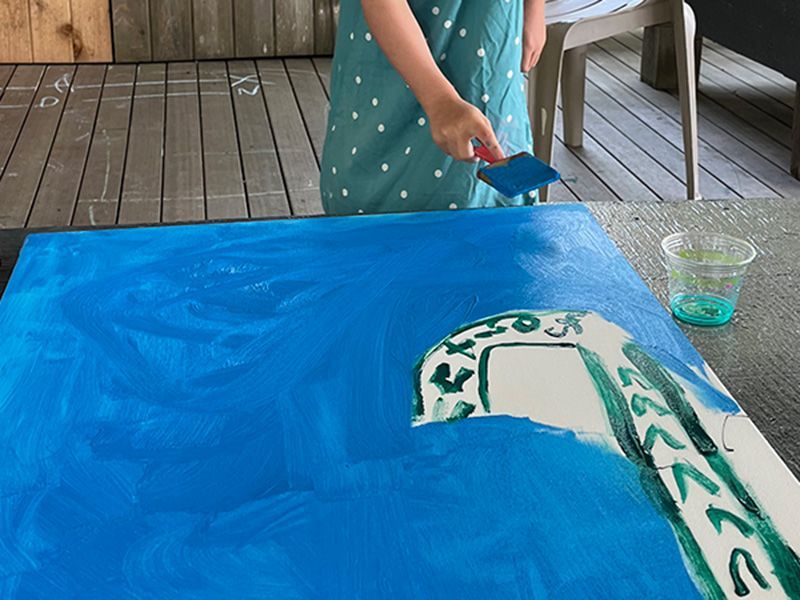
2 Day Workshop
August 4 + 6
Ages 9–14
August 4 + 6
Ages 9–14
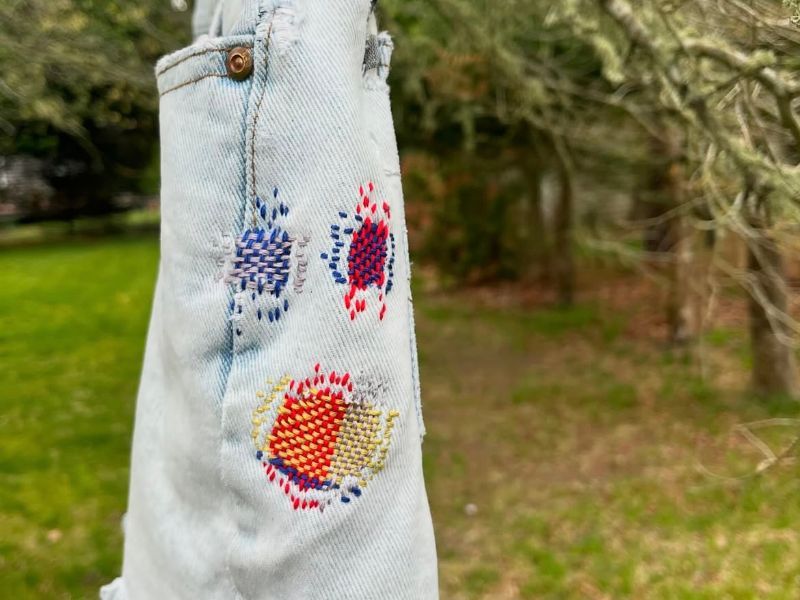
1 Day Workshop
August 1
10 am-2 pm
Registration Open
August 1
10 am-2 pm
Registration Open
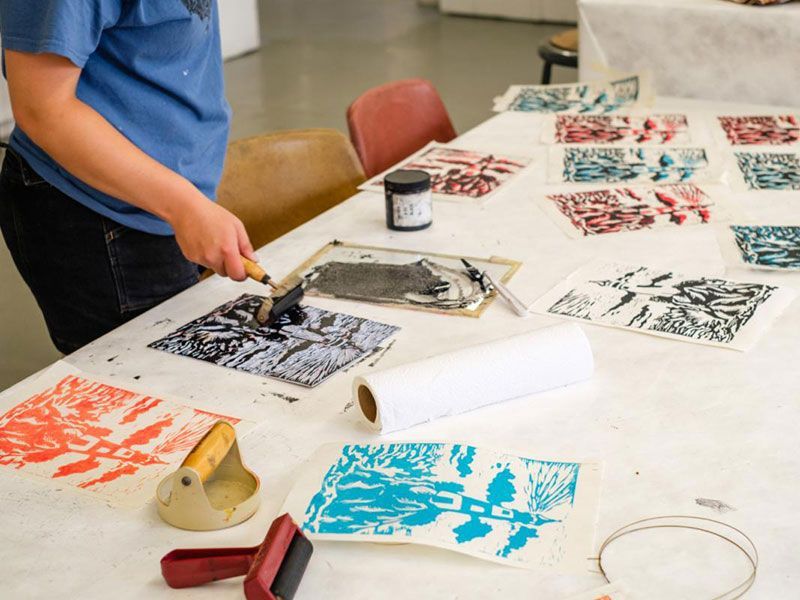
Textile and Fiber Arts at the Heifer Barn
August 4–27
Tuesday + Thursday 4–6:30 pm
August 4–27
Tuesday + Thursday 4–6:30 pm
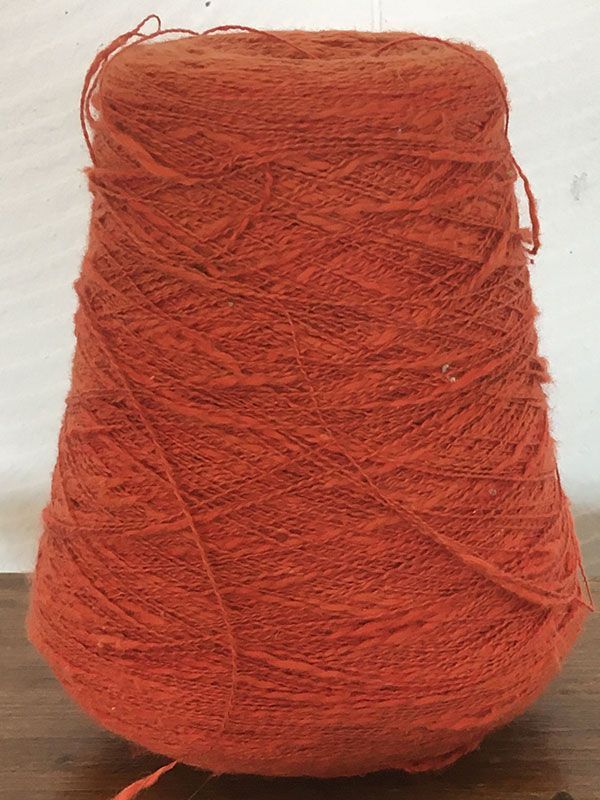
Free and Open to the Community!
August 4, 6, 11 + 13
Tuesday + Thursday 1–3 pm
August 4, 6, 11 + 13
Tuesday + Thursday 1–3 pm
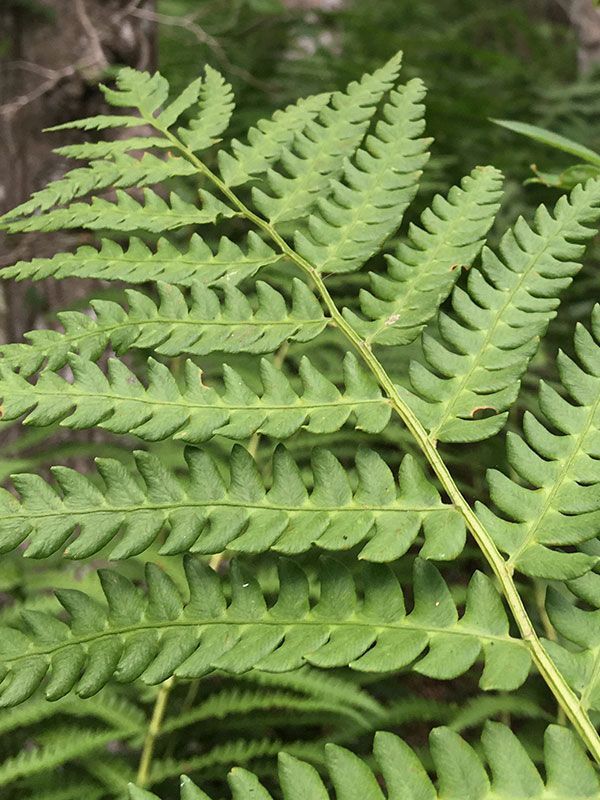
2 Day Workshop at the Heifer Barn!
August 10 + 14
Registration Open
August 10 + 14
Registration Open
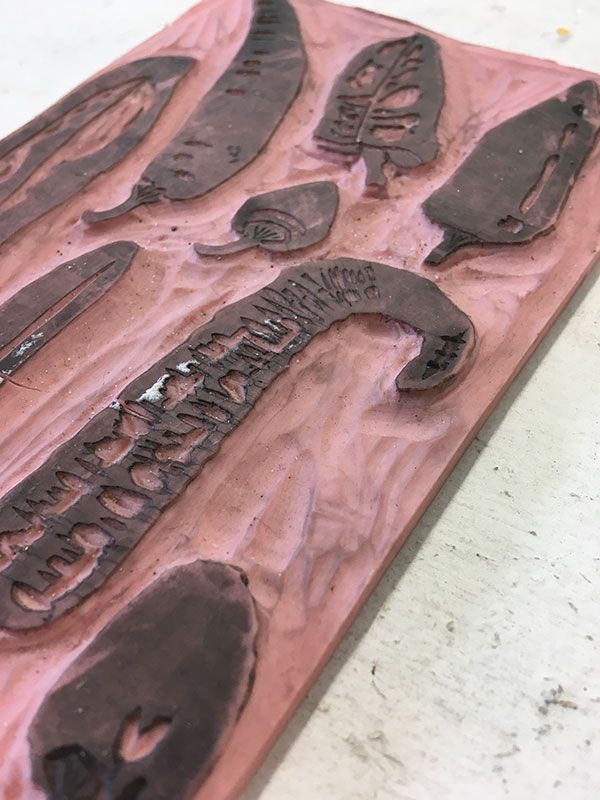
1 Day Workshop at the Heifer Barn!
Friday August 7 | 1–3:30 pm
RegistratIon Open
Friday August 7 | 1–3:30 pm
RegistratIon Open
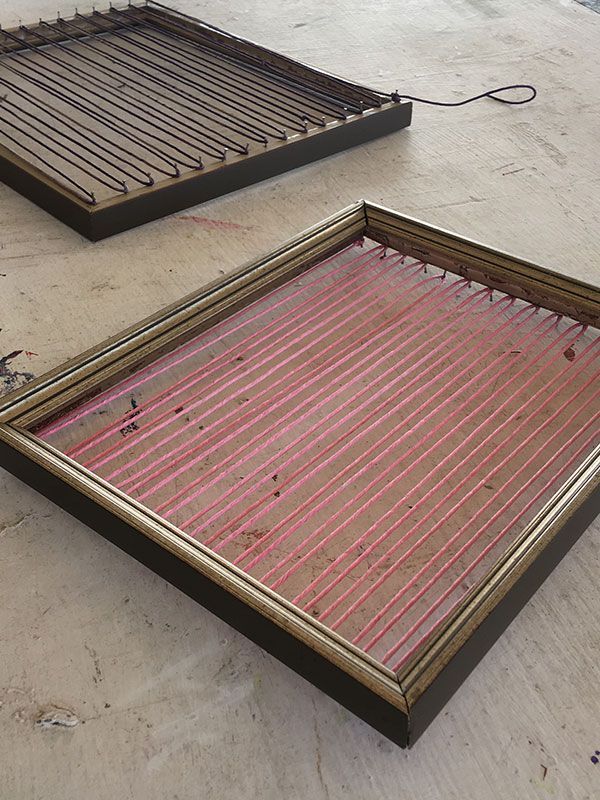
1 Day Workshop at the Heifer Barn
August 5 | 1–3:30 pm
Registration Open
August 5 | 1–3:30 pm
Registration Open
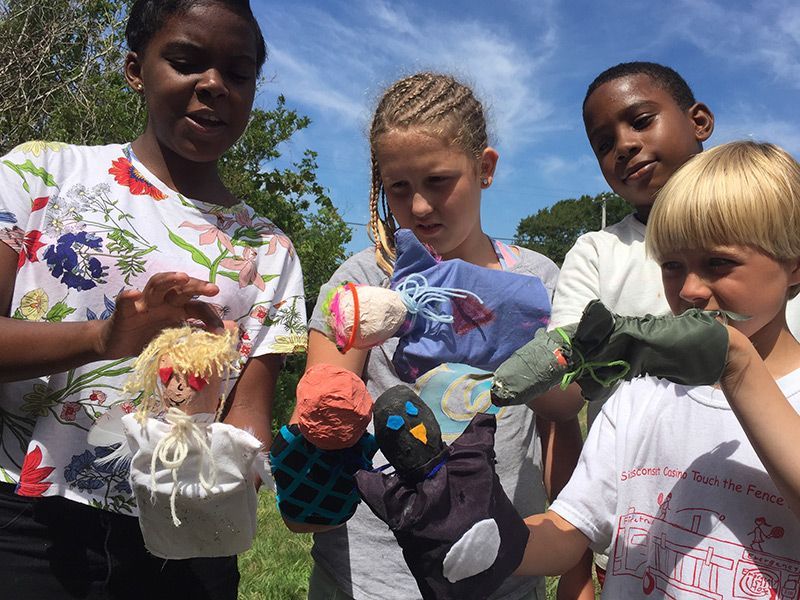
Weekly enrollment:
Monday, Tuesday, Wednesday, Thursday, Friday
June 22–August 28
Ages 5–9
Monday, Tuesday, Wednesday, Thursday, Friday
June 22–August 28
Ages 5–9